Why Digital Storytelling Is More Than a Slideshow
We’ve all done it.
A last-minute slideshow.
A folder of photos dropped onto a timeline.
An upbeat music track underneath.
Maybe a quick check of the “Ken Burns effect,” and we call it done.
Believe me, I’ve been there.
While that might be a way of sharing an experience (a family vacation) or honoring the breadth of someone’s life (a memorial), I wouldn’t necessarily call it storytelling.
The very word storytelling implies something more intentional.
It Starts With Intention
Real digital storytelling begins long before the editing timeline.
It starts with an insight. Something we have learned or come to understand through our lived experience.
From there we begin searching for the emotions and moments that led us to that insight. When we arrange those moments thoughtfully, we begin to create a narrative that can transport an audience into the world of the story.
A good story doesn’t just present information.
It invites the audience in, entangles them emotionally, and guides them through a journey toward understanding.
Where the Magic Happens
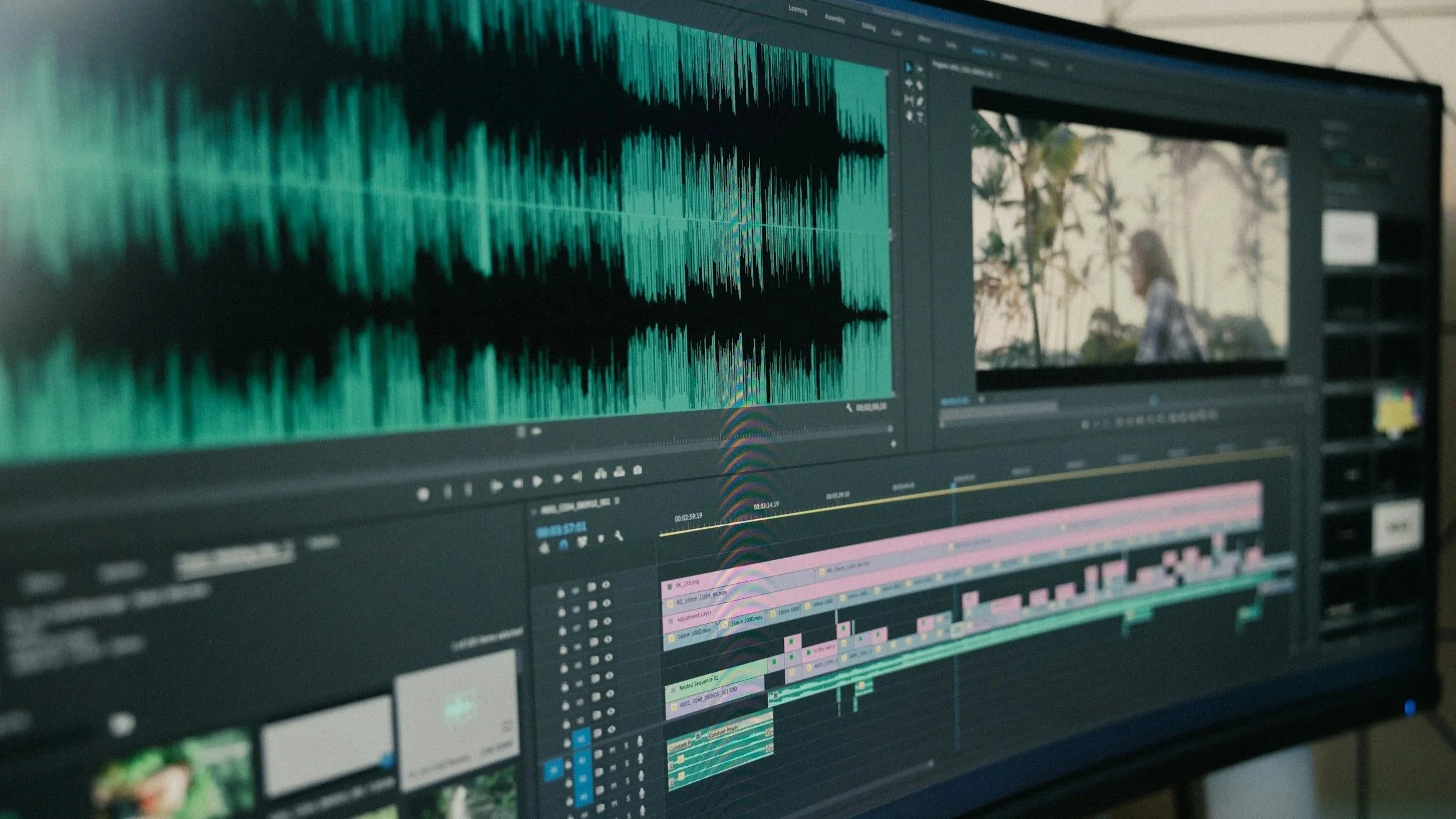
In the 7 Steps of Digital Storytelling, Step 6 is called Assembling Your Story.
This is where the magic really begins.
Here we move from the written and spoken word into multimedia storytelling. The images, sounds, and pacing begin to shape the meaning of the story in ways words alone cannot.
But assembling a digital story isn’t simply placing images on top of a voiceover.
It’s more like painting.
Just as a painter considers each brushstroke in the context of the canvas as a whole, a digital storyteller examines how each image interacts with the voice, the music, and the moments that come before and after.
Story Through Juxtaposition
Editing is really an exercise in juxtaposition and montage.
Every element changes the meaning of the others.
An image affects how we hear the voiceover.
A sound effect alters how we interpret a visual.
A moment of silence can carry more weight than a paragraph of narration.
In digital storytelling we have many tools at our disposal:
voiceover
music
sound effects
images and video
transitions
text and graphics
Each of these is its own layer of narrative.
Our job is to weave those layers together so that they support the emotional truth of the story.
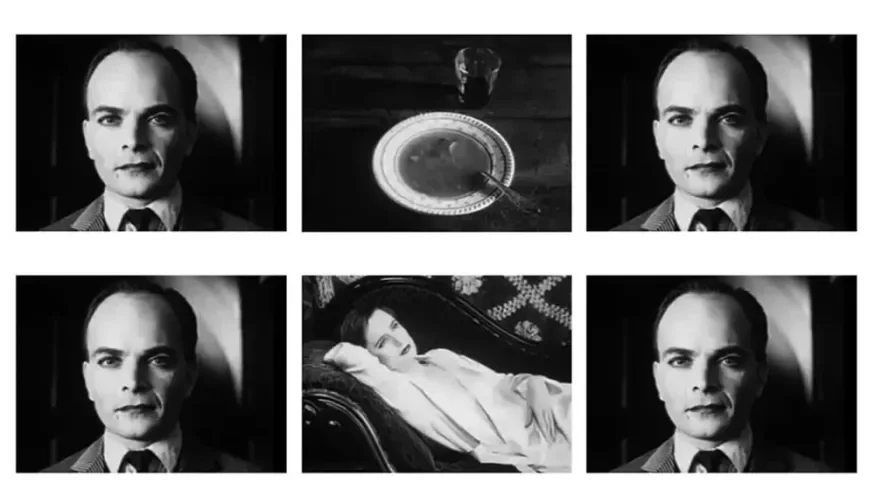
The Kuleshov Effect explored the power of juxtaposition in the 1910s
Choosing What Not to Show
Often, the most powerful decisions happen in what we remove.
In the editing process we might realize the voiceover is not necessary. The image already says everything we need.
Other times the voice carries the emotional weight, and the strongest choice is to let the screen fall to black so the words can fully land.
Maybe we don’t need to describe that warm summer night in the country. A photograph of a pink-purple sunset and the soft sound of crickets might place us there more effectively than any narration.
These are the choices that transform a slideshow into a story.
The Editor as Composer
In many ways, the editor becomes a kind of composer.
Each image, sound, and moment of silence is like an instrument in a larger symphony. When they work together with intention, they create an emotional experience that resonates far beyond the screen.
Digital storytelling isn’t just about putting photos to music.
It’s about composing a symphony of experience and insight.
So the next time you’re building that slideshow, pause for a moment and ask yourself:
What choices could make this moment land more deeply?
Sometimes the difference between a slideshow and a story is simply one thoughtful decision.